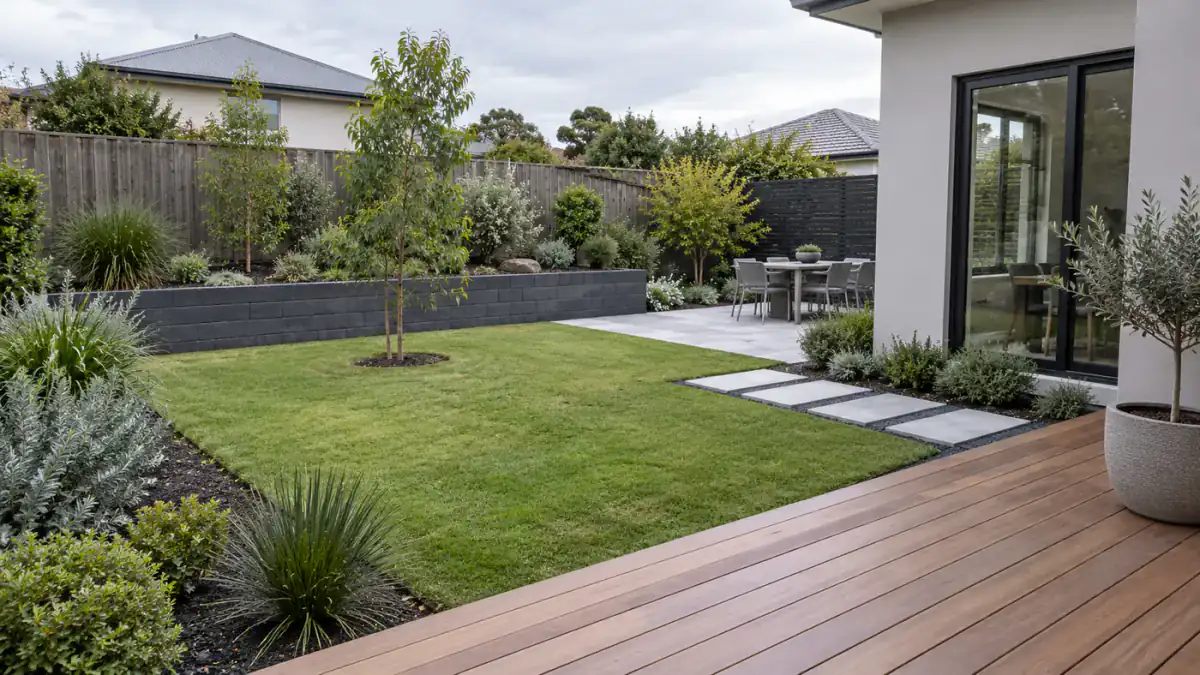
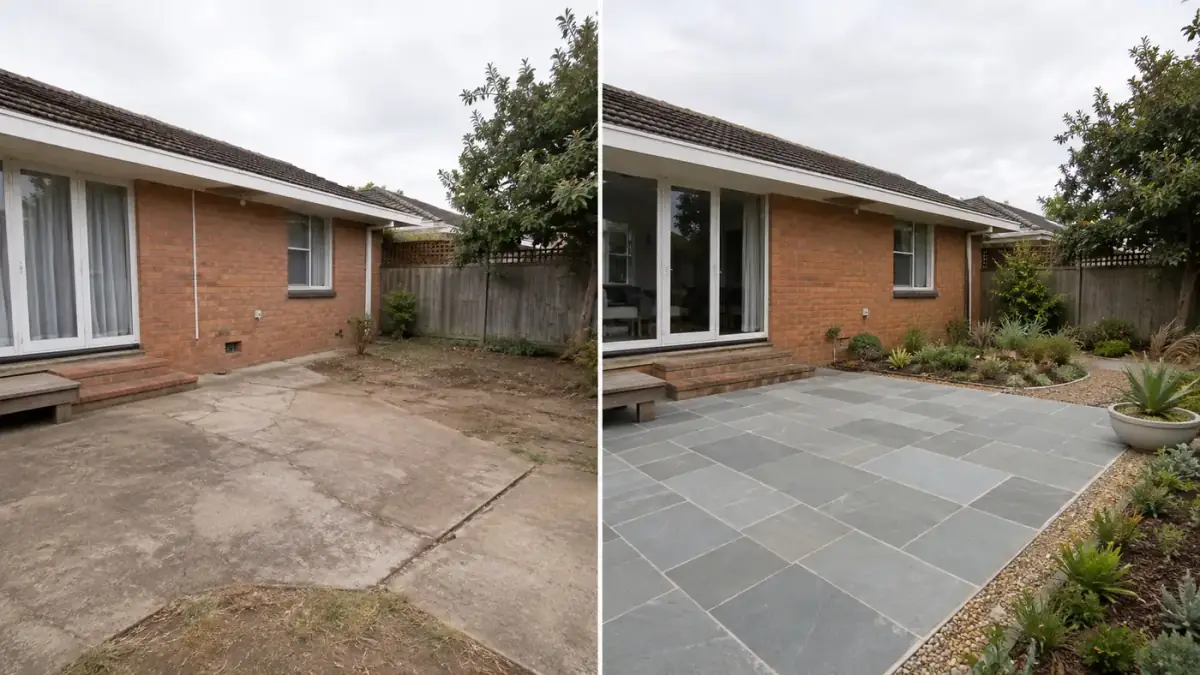
How long does courtyard landscaping take?
Small courtyard projects may take a few days to a couple of weeks, depending on the amount of demolition, ground preparation, drainage work, paving and planting required. Larger or more complex projects may take longer.
Can you landscape a courtyard while we are living in the house?
Yes, in many cases. We plan material deliveries, site access and work areas to minimise disruption. Where materials need to pass through the house, suitable protection and access arrangements can be discussed before construction.
Do I need approval to renovate my apartment courtyard?
Approval may be required, depending on the property, ownership arrangements and proposed work. Paving, drainage changes, screening and structures can be subject to owners corporation rules or other requirements. Check the applicable approvals before work begins.
Can you keep my existing paving or plants?
Yes. Existing paving, garden beds and plants may be retained if they are in suitable condition and fit the new design. We assess them during the site inspection and recommend what can be reused.
How can I make my courtyard low maintenance?
Choose materials and plants that suit the available sunlight and drainage. Paving, well-designed raised beds, appropriate mulch and hardy plants can reduce ongoing work. Limiting the number of pots and selecting plants suited to the local conditions can also simplify watering and maintenance.
Can you landscape a small courtyard with no side access?
Potentially, yes. The available access affects material delivery, equipment choices, demolition and construction methods. We assess the access route during the site inspection and plan the work accordingly.
What is the best paving for a small courtyard?
The best paving depends on your budget, property style, drainage, exposure and maintenance preferences. Porcelain, natural stone and concrete pavers can all work well when selected and installed appropriately.
Can you improve drainage in an existing courtyard?
Yes, depending on the site conditions. Possible solutions include adjusting surface levels, installing drainage channels and improving how water is directed away from the house. The appropriate approach depends on the existing levels, discharge options and cause of the problem.